Case Study · Founder
Saanvi Botanicals
Building trust in an intimate wellness category — from idea to 22 SKUs
01 — Problem
73%
Women prefer natural intimate wellness products
(Skin Inc. / Nielsen survey)
62%
Distrust synthetic ingredients
(NSF International, 2025)
0
Premium Ayurvedic intimate brands positioned beautifully
Women's intimate care lacked trust, clarity, and premium experience.
The category was filled with clinical, sterile products from pharmaceutical brands — or low-quality, unbranded options with unclear ingredients. Neither option felt like it was made for women who care about what goes into their bodies.
There was a clear gap: a premium, plant-based wellness brand that could combine clean formulation, transparent ingredients, and an experience that felt personal and trustworthy — not clinical or generic.
"Women want to know exactly what they are putting on and in their bodies. They want efficacy and elegance. The market was not delivering both."

02 — User Insight
Trust and education are the real product
Through conversations, reviews analysis, and community research, one pattern emerged consistently: women in this category do not buy the product first. They buy the trust. Education, transparency, and community proof have to come before the conversion.
Ingredient Transparency
Users read every label. Unclear ingredients = abandoned cart.
Education First
"How do I use this?" precedes "Should I buy this?"
Community Proof
Reviews and shared experiences overcome category skepticism.
03 — Product Strategy
Start narrow, earn trust, then expand
The strategic question was: launch broad (full skincare + wellness line) or go deep in one niche first? The answer was clear from the user research — trust in intimate wellness is earned, not assumed. Spreading thin across categories would dilute both credibility and focus.
The strategy: establish expertise in one niche (intimate wellness), build a loyal base, then expand into adjacent categories from a position of trust.
01
Deep Niche Credibility
Focus builds authority and real expertise.
02
Premium Quality Signals
High standards signal care and intention.
03
Education-First Marketing
Educate to empower before you sell.
04
Expand from Trust
Growth rooted in loyalty and community.
04 — Prioritization
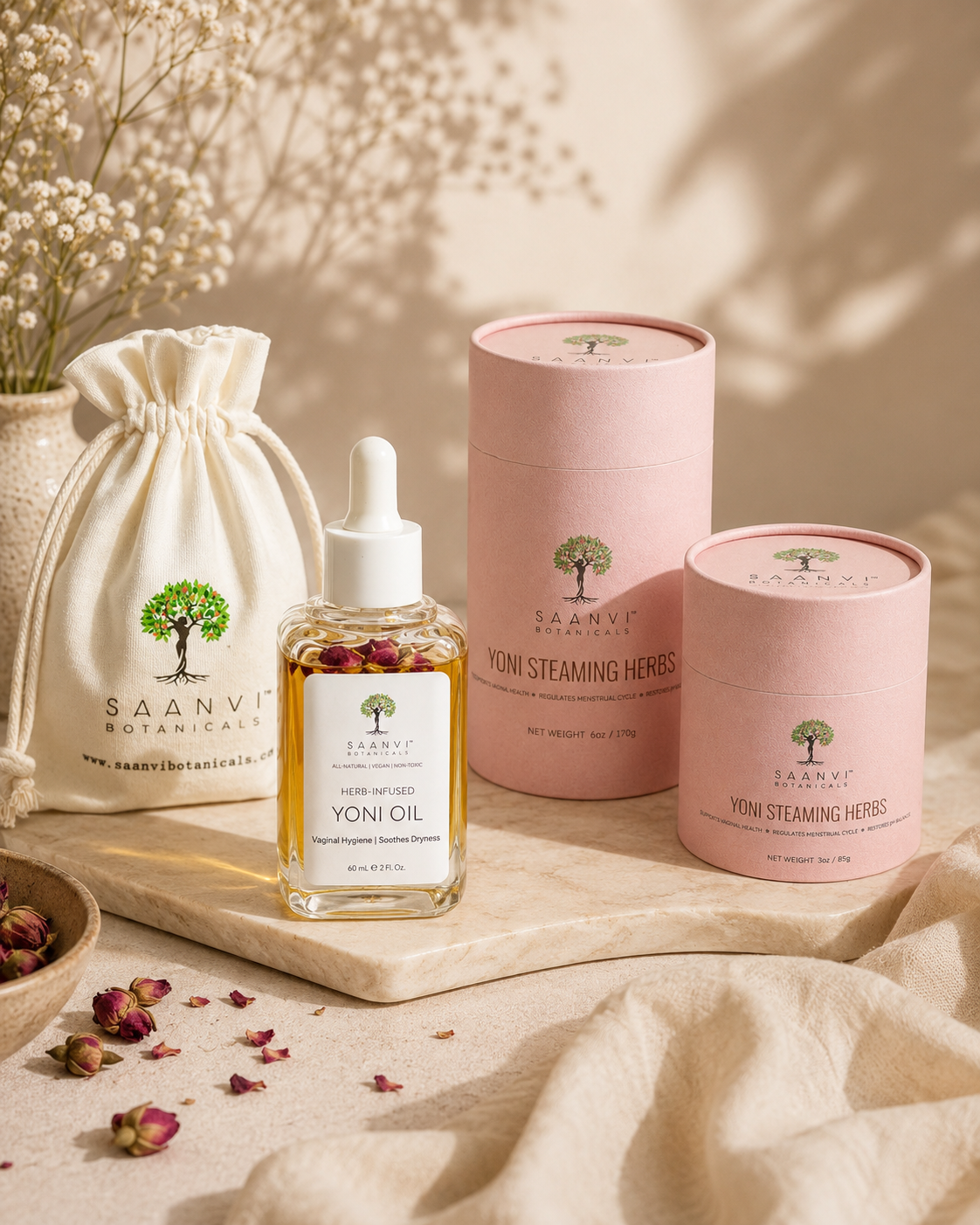
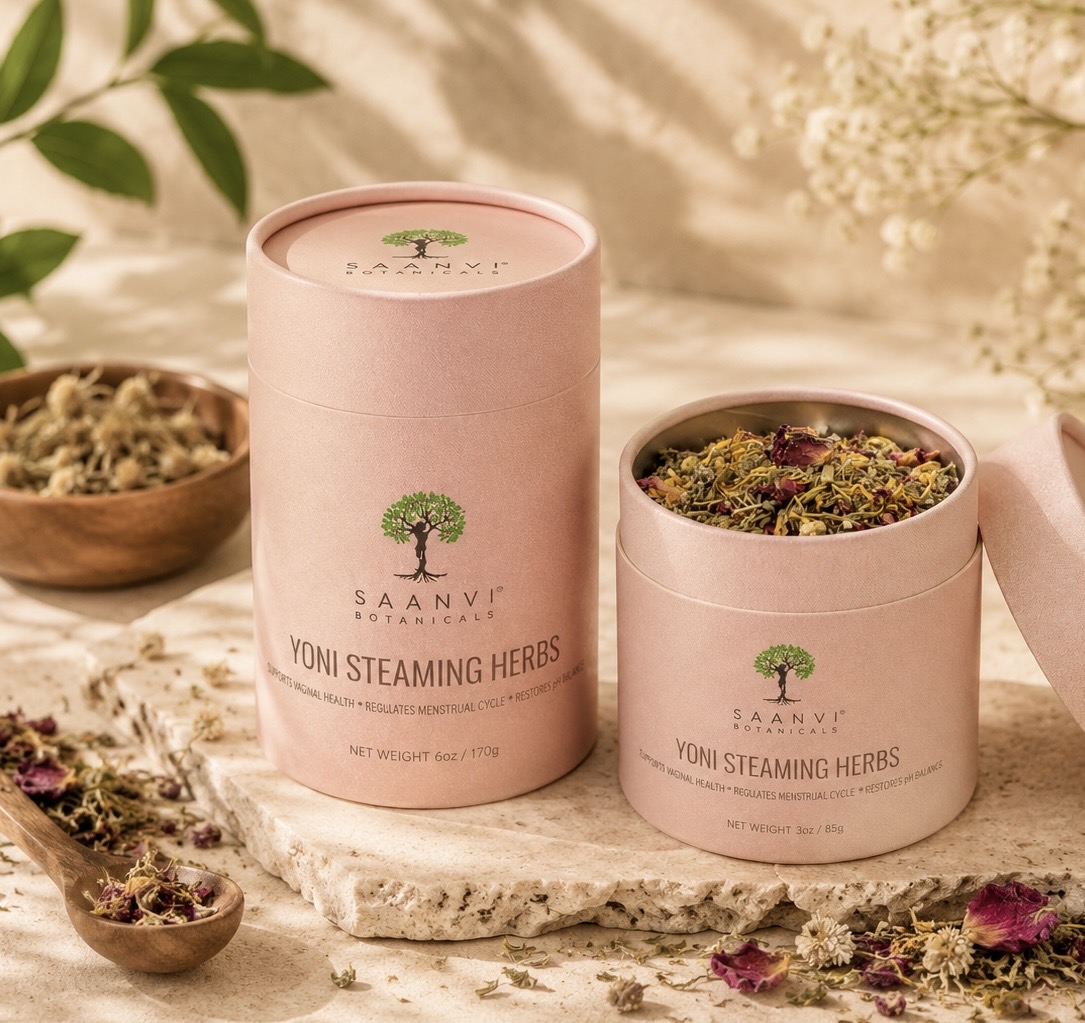
Why Yoni Oil and Yoni Steam first
With unlimited possible SKUs, the priority framework came down to three factors: user need intensity, market gap size, and formulation feasibility. Yoni Oil and Yoni Steaming Herbs scored highest on all three.
Routine products with repeat purchase behavior. Core to the customer's self-care ritual.
Category dominated by clinical or low-quality options. Premium plant-based space was underserved.
Getting intimate wellness right first establishes credibility for every product that follows.
Search volume, community conversations, and competitor review analysis confirmed appetite.
05 — MVP & Validation
Start lean, validate quickly, then elevate the experience.
Our approach was intentional and iterative. We started small, listened closely, and reinvested in what mattered most—creating trust and delivering value at every step.
Small-Batch Formulation
Developed initial products with a focus on ingredient quality, product feel, and customer trust.
Marketplace Validation
Used Etsy to validate early demand and learn from customer behavior.
Channel Expansion
Expanded to Walmart Marketplace and later built Shopify for stronger brand ownership.
Shopify Experience & Content
Built my own Shopify storefront, wrote every page's content, product descriptions, and educational copy, and kept improving the experience over time based on customer behavior and conversion learnings.
Brand Refinement
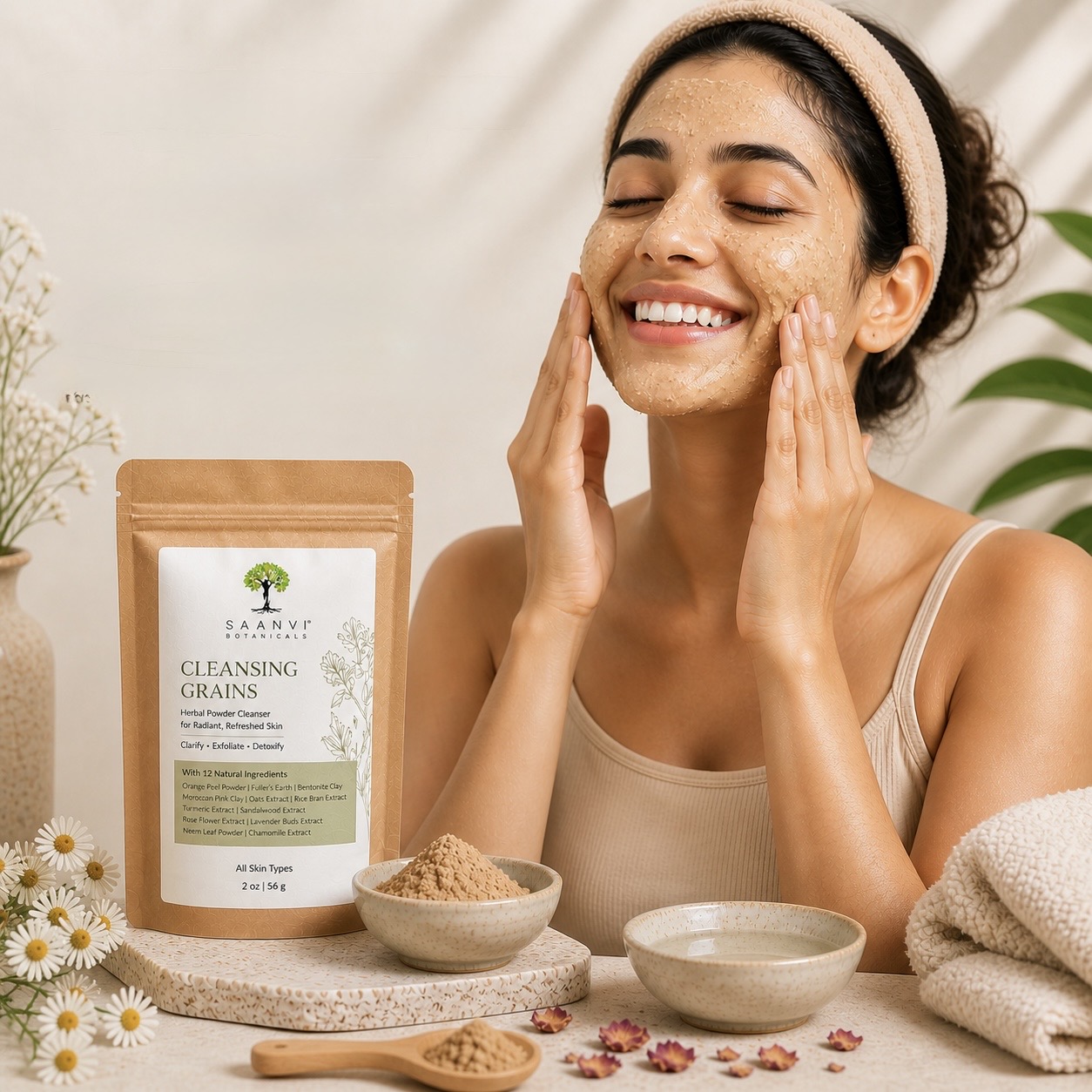
Improved product photography, packaging, and education to reduce purchase hesitation.
06 — User Journey
From discovery to loyal customer
01
Discovery
Customer finds product via Instagram content or Etsy search. Educational content builds initial awareness and credibility.
02
Trust
Ingredient transparency, clear how-to guides, and community reviews reduce hesitation in a sensitive category.
03
Purchase
Conversion driven by clean packaging, detailed descriptions, and availability across trusted platforms (Etsy, Walmart).
04
Experience
Product quality and clear instructions drive a positive first use. Packaging reinforces the premium positioning.
05
Return
Repeat purchase and word-of-mouth driven by efficacy, trust, and the brand relationship built over time.
07 — Go-to-Market
Multi-channel sequencing, not spray and pray
GTM was deliberately sequenced. Each channel had a specific role — not just "reach." The order mattered as much as the channels themselves.
Year 1
Year 2
Year 3
Year 4
Year 5
Etsy
Demand validation & first reviews. Low overhead to test pricing, packaging, and PMF.
Brand building & education. Trust-led content ahead of any conversion push.
Walmart Marketplace
Scale & mainstream credibility. Unlocks an audience that doesn't browse Etsy.
Shopify DTC
Owned audience, retention, LTV. The home base where brand, content, and customer compound.
Email & Community
Repeat purchase & advocacy. The compounding layer underneath every other channel.
08 — Product Portfolio
From hero products to a full wellness line.

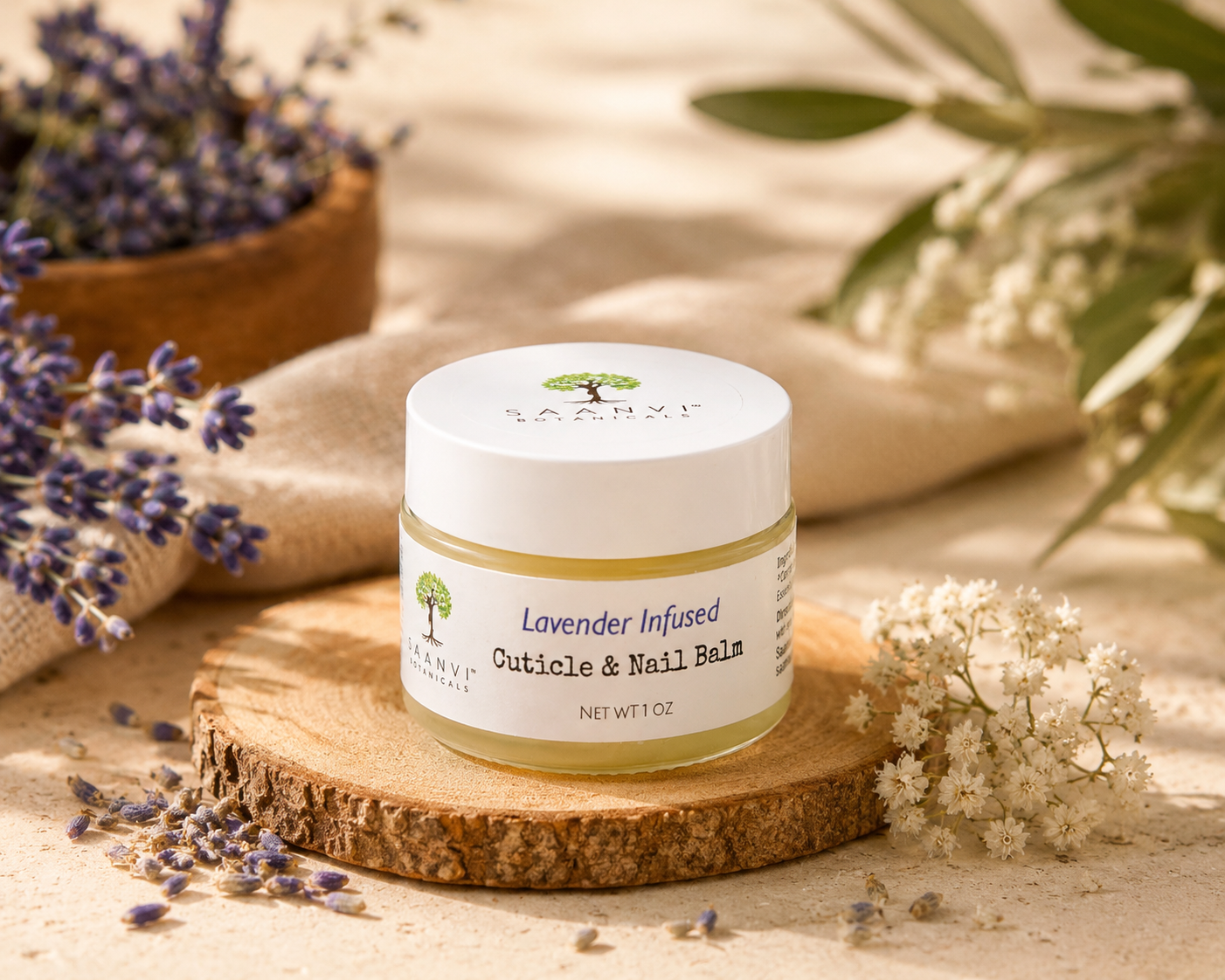
Yoni Oil
Intimate Wellness
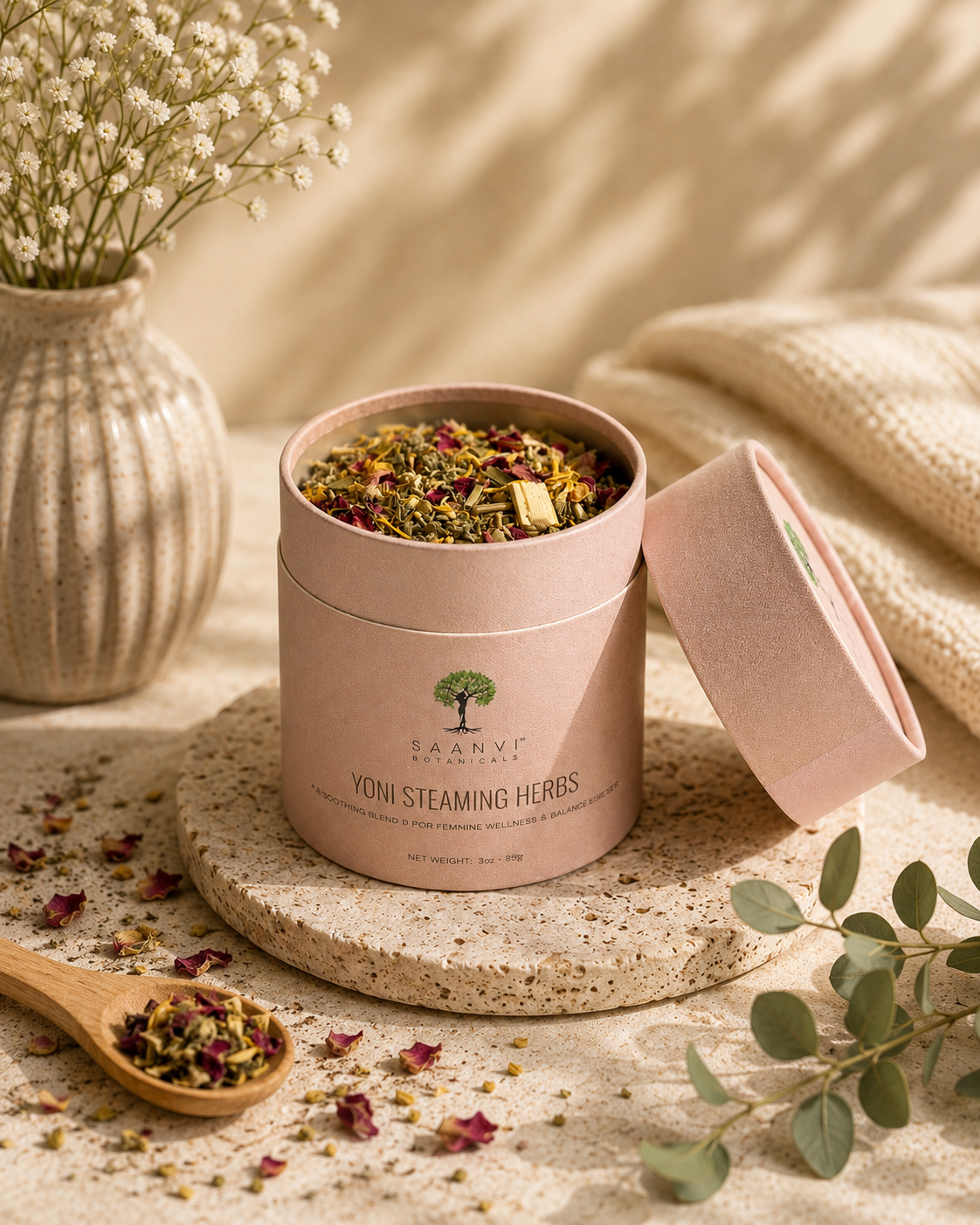
Steaming Herbs
Intimate Wellness
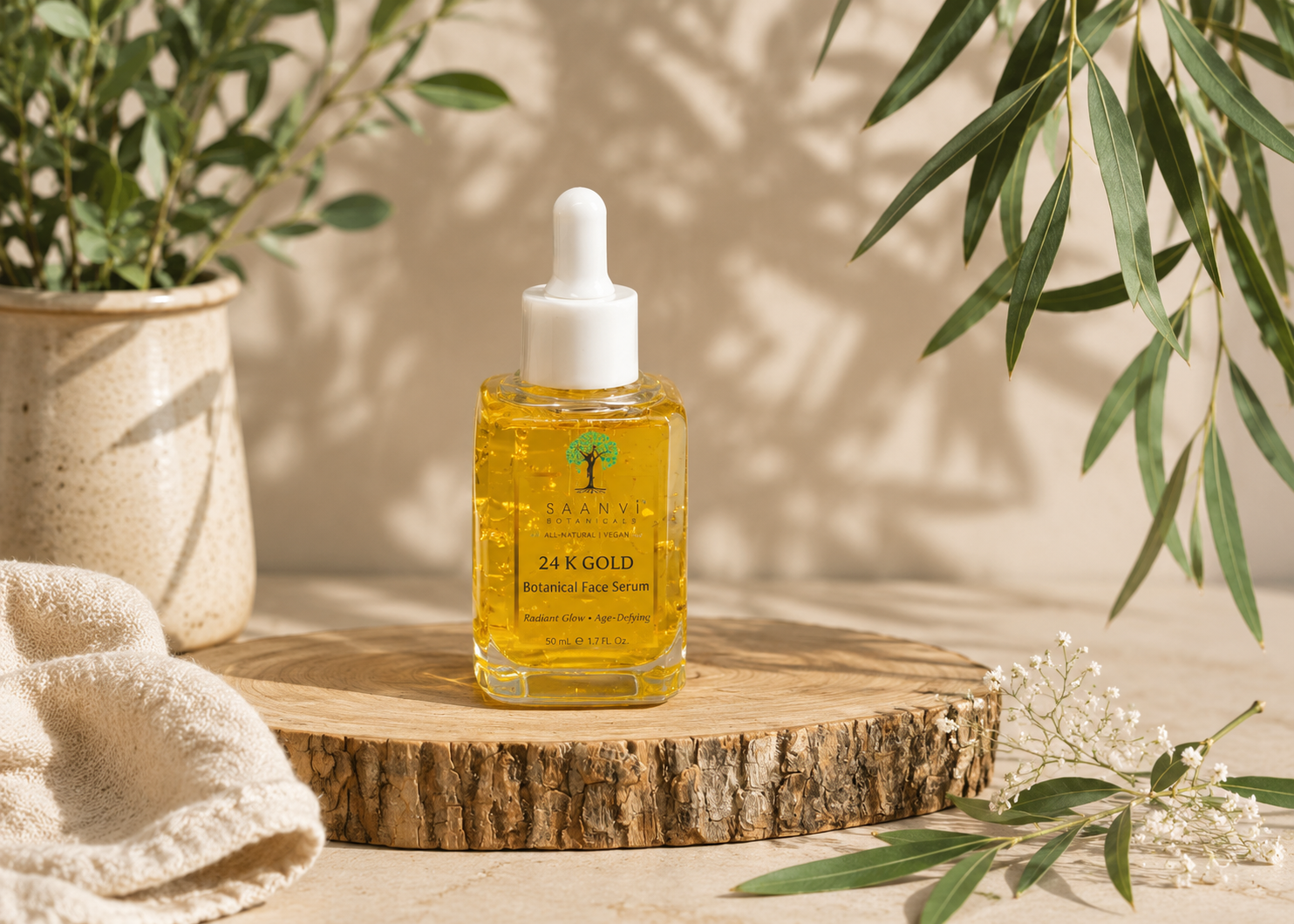
24K Gold Serum
Skincare
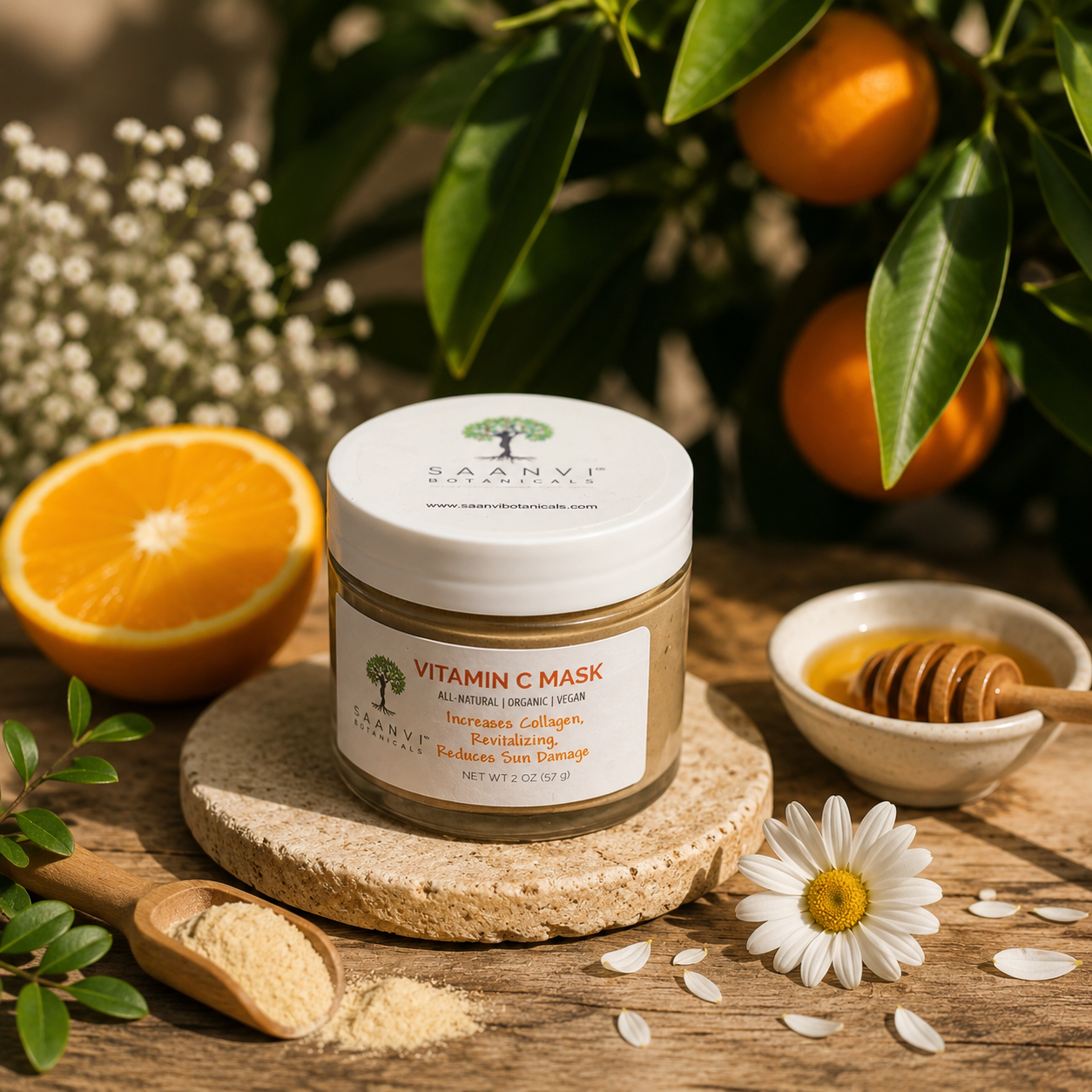
Vitamin C Mask
Skincare
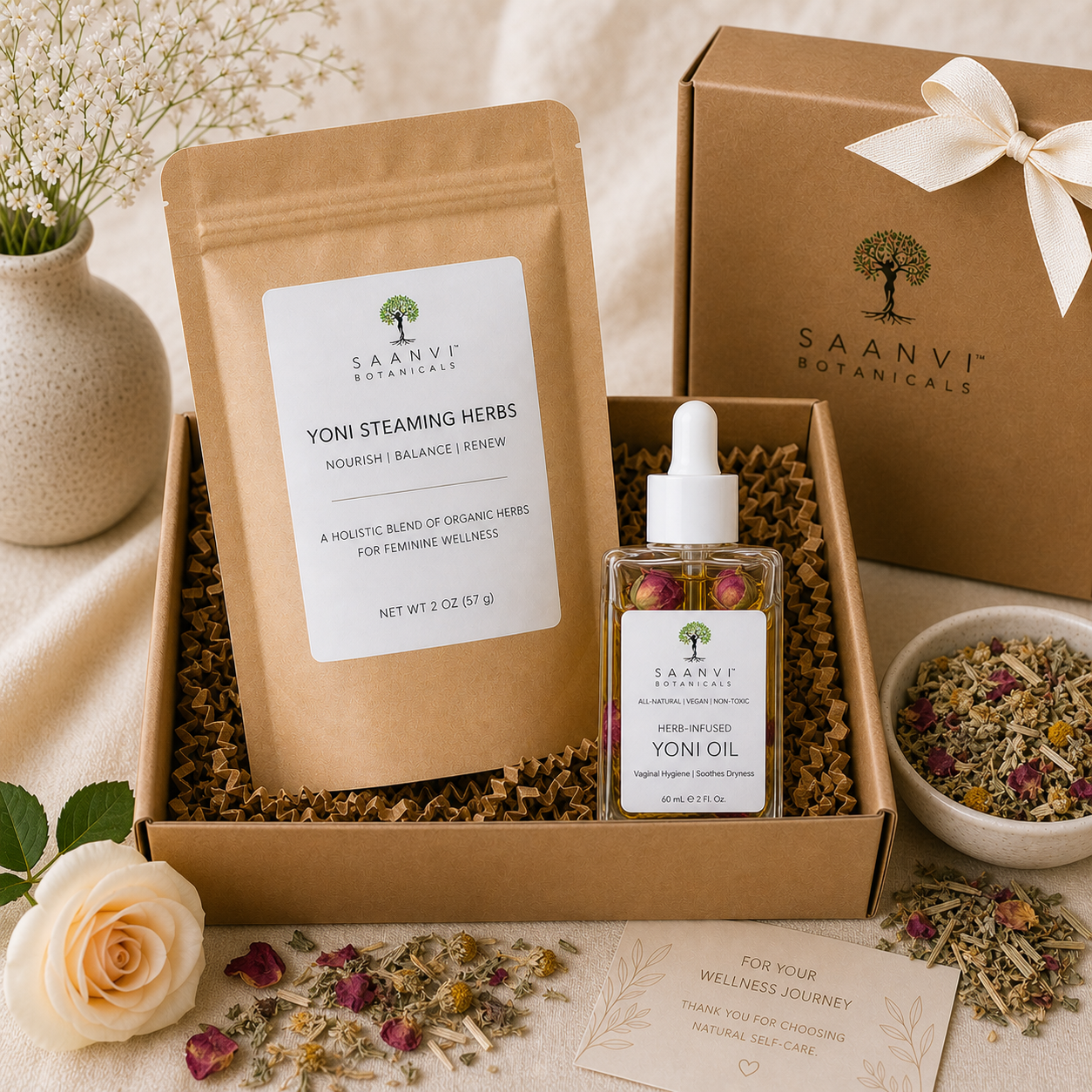
Ritual Set
Bundle
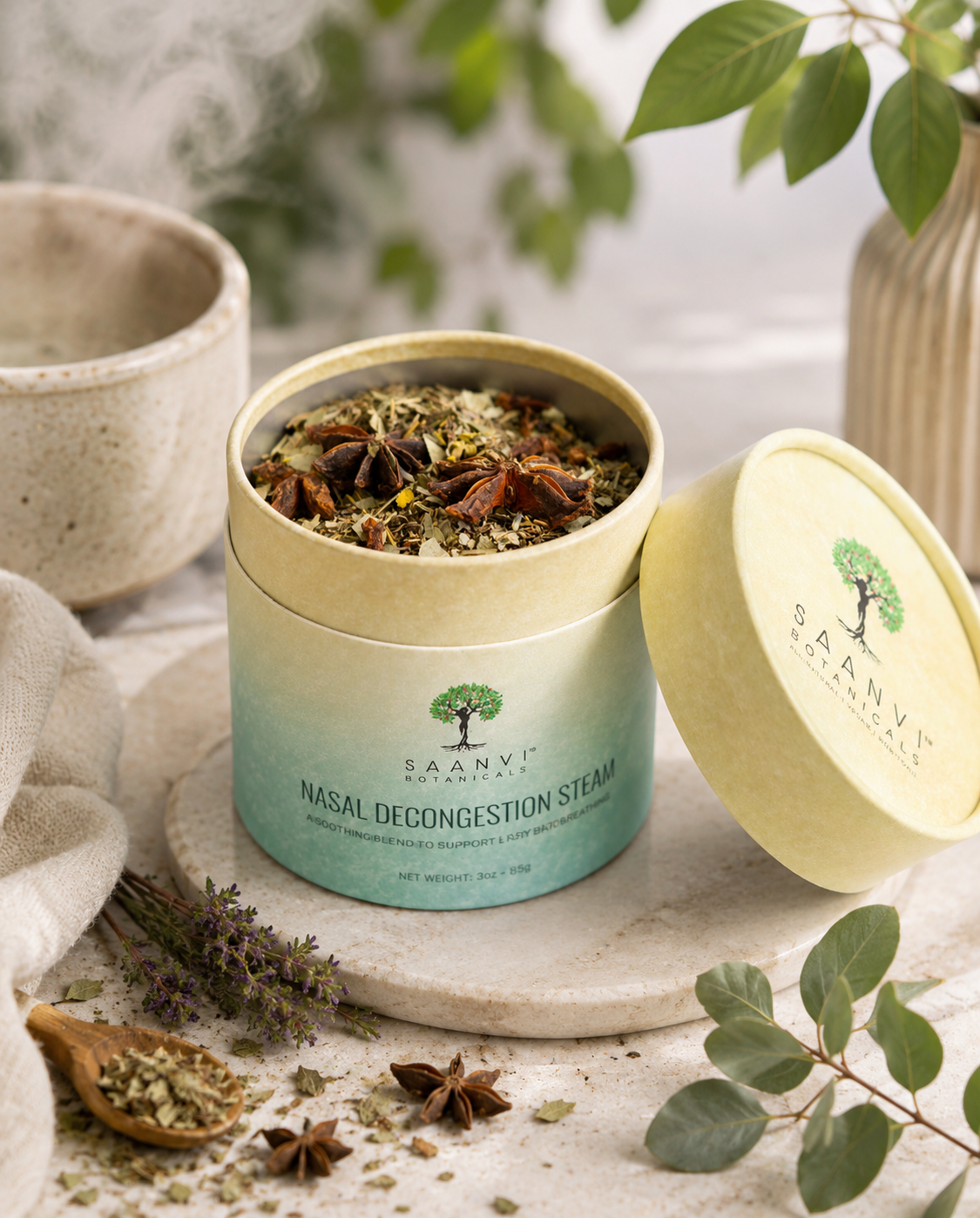
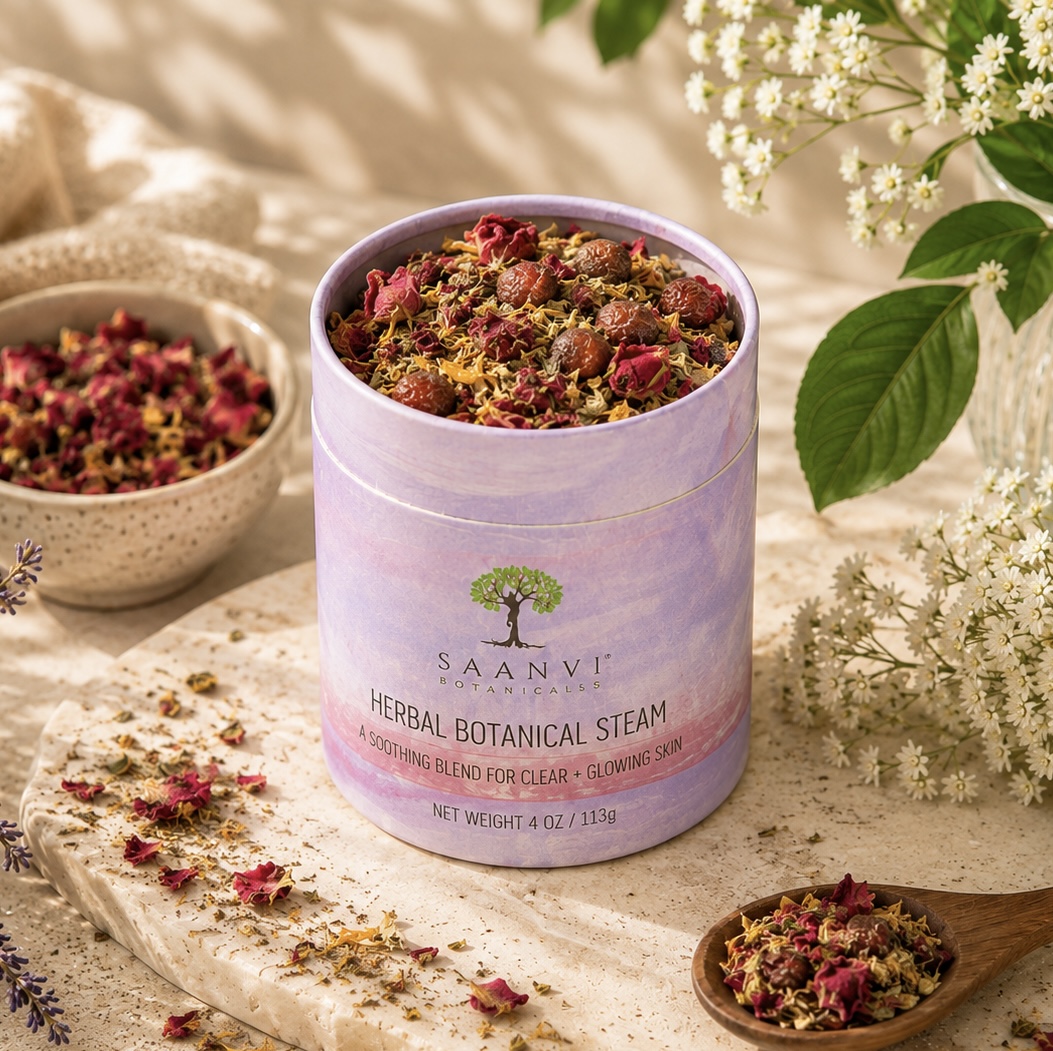
Congestion Steam
Wellness
09 — Outcomes
What we built
22
SKUs Launched
Across 18 products
3
Active Channels
Etsy · Walmart · Shopify
5yrs
Of Ownership
End-to-end, solo
10 — PM Takeaways
What this proves
User-Centric Thinking
Every SKU decision started with a real user need — not what I wanted to make. Research, reviews, and customer conversations drove prioritization.
Ruthless Prioritization
Launched 2 hero products first. Validated demand before expanding. Said no to dozens of SKU ideas that did not serve the core user.
Execution Under Constraint
No team, no agency, no budget. Built formulation, branding, packaging, and multi-channel operations solo. Real ownership.
Data-Informed Growth
Used Etsy analytics, Walmart seller data, and Shopify conversion metrics to inform what to build next and where to invest.
11 — Future Roadmap
Where we go next.
A journey of growth that puts community and craft first — each horizon unlocks the next.
Lock in repeat purchase before spending another dollar on acquisition.
Subscription model for hero SKUs
Auto-replenish the top three velocity SKUs on a 30/60/90-day cadence.
Target · 25% repeat rateBundle offerings — Starter Kit, Self-Care Set
Curated bundles to lift AOV and clarify first-time entry into the line.
Target · +18% AOV
Move from catalog to regimen. Customers don't want SKUs — they want a ritual.
Personalization quiz to match products to needs
Six questions return a three-product regimen and a follow-up email sequence.
Target · 2× PLP conversionExpanded education content and community
Ritual guides and a founder-led newsletter — earned attention as the acquisition engine.
Target · 10k subscribers
Own the customer relationship on DTC, then expand into curated retail without losing it.
DTC-first with Shopify as primary channel
Migrate the majority of revenue off marketplaces — higher margin, full data, full brand control.
Target · 70% revenue DTCWholesale into specialty retailers
Place the line in 25 hand-picked indie shops and boutique hotels — distribution as brand-building.
Target · 25 specialty doors
12 — Summary
This is what 0→1 product ownership looks like in practice.
Saanvi Botanicals was not a side project or a simulation. It was five years of real product decisions — user research, formulation, branding, pricing, distribution, and growth — made alone, with real stakes, and real customers.
That is what I bring to every PM role: the ability to think clearly about users, make prioritization decisions with incomplete information, and execute with ownership and accountability.